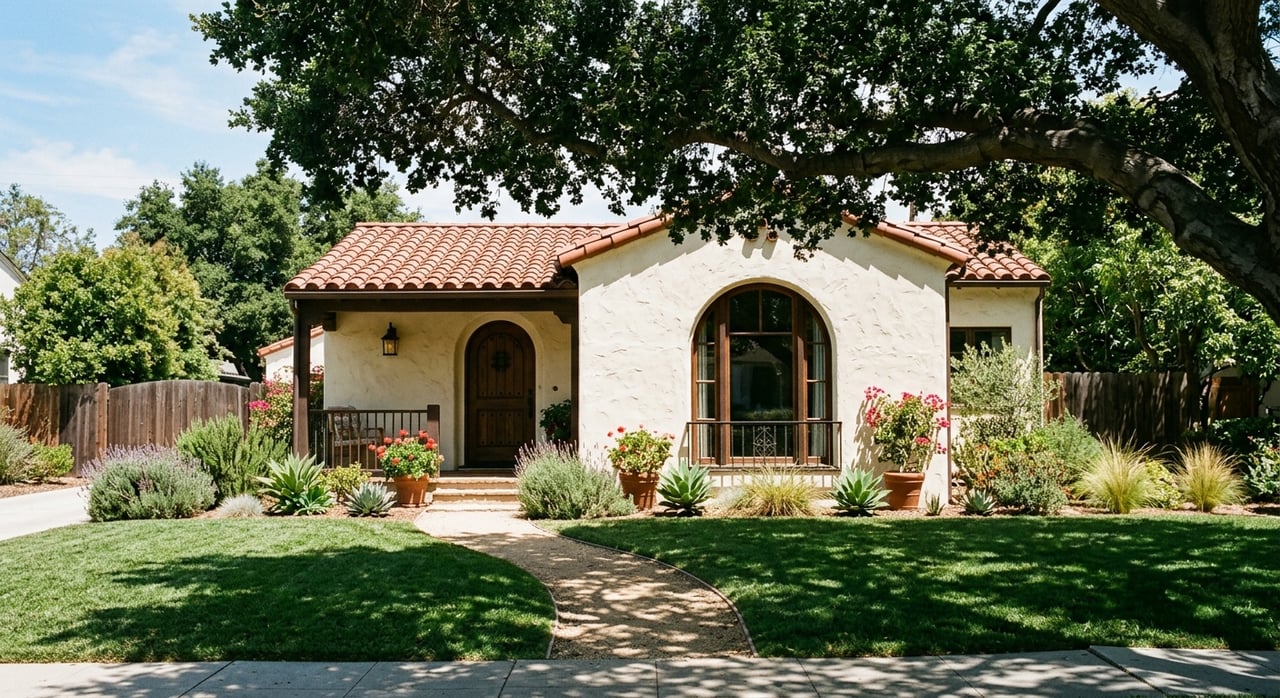
Trying to choose between Altadena and Pasadena? You are not alone. These neighboring communities can look similar on a map, but they often serve very different priorities once you start comparing housing, lifestyle, and market conditions. If you want a clear way to sort through the options, this guide will help you weigh lot size, transit, price, and day-to-day feel so you can focus on the place that fits you best. Let’s dive in.
Start With the Core Difference
The biggest difference between Altadena and Pasadena is not distance. It is how each community is built and what kind of lifestyle that supports.
Pasadena is a larger incorporated city with a broad mix of housing types, established transit, and a long history of architectural preservation. Altadena is a smaller foothill community governed by Los Angeles County, with land-use rules aimed at preserving residential character, neighborhood scale, light, air, and privacy.
In simple terms, Altadena often appeals to buyers who want a more yard-oriented residential setting. Pasadena often appeals to buyers who want more housing variety, stronger transit access, and a more urban mix of amenities.
Compare Size and Housing Patterns
If you are deciding where to focus your home search, it helps to understand the basic shape of each market. Altadena had 42,846 residents in the 2020 Census and covers 8.47 square miles of land. Pasadena was estimated at 137,195 residents in 2024 and spans 22.96 square miles.
That difference shows up in the housing landscape. Altadena has a 76.9% owner-occupied housing rate, while Pasadena has a 42.5% owner-occupied housing rate. That does not tell you which is better, but it does suggest Altadena leans more heavily toward owner-occupied residential living, while Pasadena offers a broader mix of housing and household types.
Pasadena Offers More Housing Variety
Pasadena’s residential history was shaped by major growth in the early 1900s, with more than 300 residential tracts recorded between 1900 and 1910. Over time, that produced a wide range of homes, from estates and cottages to bungalows and multi-family forms.
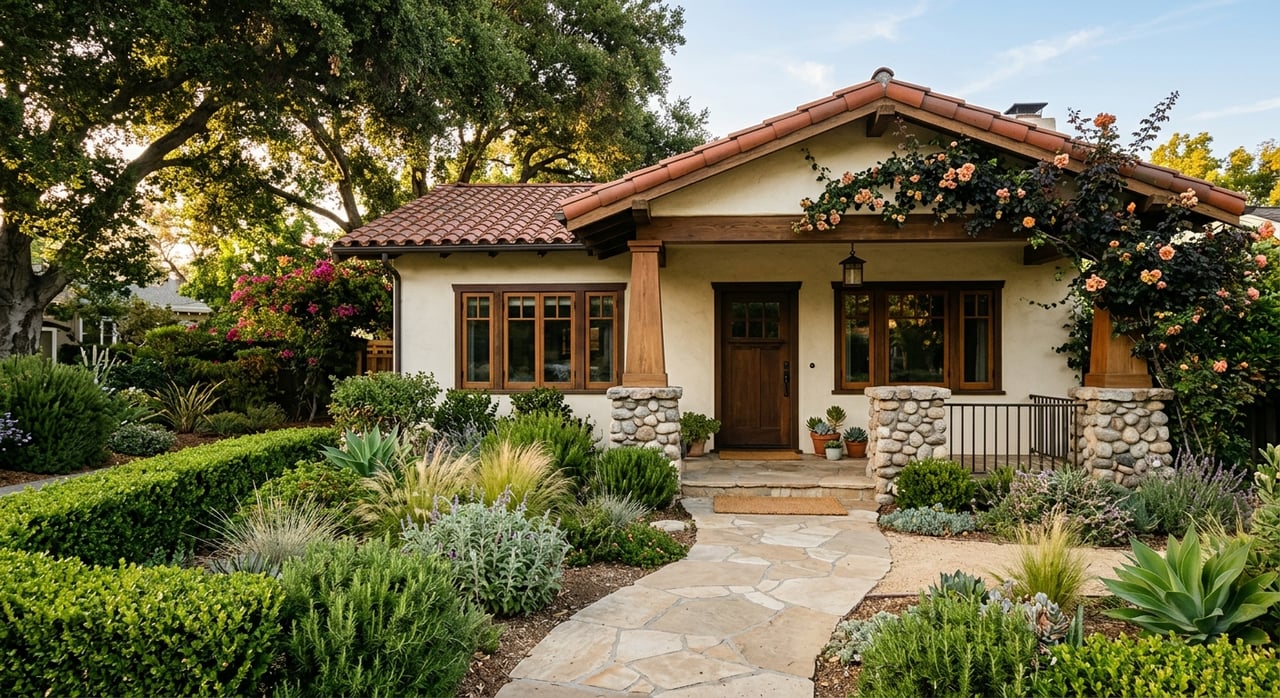
Today, Pasadena is known for architectural variety that includes Victorian-era styles, Craftsman, Mission Revival, Prairie, Tudor Revival, English Cottage, and postwar modernist homes. It is also widely associated with the bungalow court, a lower-density multi-family housing type built around a shared courtyard.
For you as a buyer, that often means more choices in housing format. If you are open to condos, townhomes, attached housing, courtyard properties, or homes on smaller urban lots, Pasadena may give you more options.
Altadena Leans More Yard-Forward
Altadena’s planning framework is centered on preserving the existing character of a mature residential community with few vacant lands. Its Community Standards District is designed to protect light, air, and privacy from homes that feel out of scale with their surroundings.
Altadena also includes lot-size categories up to 40,000-plus square feet in its yard standards, which signals that larger single-family parcels are part of the local development pattern. Community and preservation sources also describe Altadena as architecturally diverse, with homes ranging from modest Craftsman bungalows to Italianate mansions and modernist properties.
If you picture yourself prioritizing outdoor space, a larger lot, or a foothill setting with a more residential rhythm, Altadena may feel more aligned with your goals.
Think About Lifestyle, Not Just Price
A smart neighborhood decision is about more than what you can afford. It is also about how you want daily life to feel.
Altadena Fits a Foothill Lifestyle
Community input gathered through Los Angeles County planning workshops highlights several themes in Altadena: access to nature, open space, hiking, horseback riding, dark skies, tree-lined streets, and a friendly neighborhood feel. At the same time, residents also expressed a desire for safer walking and biking conditions and more transit access.
That tells you something important. Altadena tends to offer a quieter, more foothill-oriented experience, but it may not deliver the same level of transportation infrastructure or urban convenience you would find in Pasadena.
Pasadena Feels More Urban and Connected
Pasadena’s identity is shaped by arts and culture, history and architecture, science and technology, and major civic destinations such as Old Pasadena. The city also states that it is working to maintain a livable community in which cars are not necessary.
If you want a neighborhood that feels more connected to restaurants, institutions, events, and a broader range of transportation options, Pasadena may be the stronger fit. That can matter a lot if your ideal lifestyle includes shorter errands, more local activity, or easier access to public transit.
Compare Commute and Transit Options
At first glance, commute times between the two communities are very close. Census data shows a mean commute time of 27.5 minutes in Altadena and 26.9 minutes in Pasadena.
That means the real difference is less about average commute length and more about how you want to get around.
Pasadena Has Stronger Built-In Transit
Pasadena Transit operates local bus service, and Pasadena has six Metro Gold Line stations. The city’s transportation goals also emphasize a livable environment where a car is not always necessary.
For buyers who value transit access or want more flexibility in how they move around the area, Pasadena has a clear structural advantage. It was built with a broader transportation network in place.
Altadena Has Access, But Not the Same Transit Base
Altadena is served by Metro Micro in the Altadena, Pasadena, and Sierra Madre zone, with connections to Metro bus routes including 660, 662, 267, 268, 501, and 686. That gives residents options, but it is still different from living in a city with local bus service and multiple rail stations.
If you drive most places and care more about the foothill setting than rail access, this may not be a deal-breaker. But if transit is high on your priority list, Pasadena deserves a closer look.
Understand the Current Market Context
Price is always part of the conversation, but in this case, context matters just as much as the headline number.
Current market data in the research report places Altadena’s median sale price at about $1.1 million and Pasadena’s at about $1.3 million. Pasadena is also the tighter market by those same metrics, with homes receiving about 4 offers on average and selling in roughly 32 days, compared with 3 offers and about 40 days in Altadena.
That may make Altadena seem like the easier or more affordable option at first glance. But there is an important complication.
Altadena Is Still in a Recovery Environment
The research report notes that Altadena’s year-over-year price change has been far more volatile than Pasadena’s. It also explains that the Eaton Fire destroyed more than 9,000 structures and led Los Angeles County to create an Altadena Disaster Recovery District.
For you as a buyer, that means current Altadena pricing and inventory behavior may reflect a rebuild environment rather than a fully normalized market. If you are considering Altadena, it is wise to evaluate each property and micro-location carefully rather than assume the current numbers tell the whole story.
Ask These Three Screening Questions
If you are still torn between the two, these questions can help you narrow your decision.
Do You Want More Lot or More Walkability?
If your top priority is a larger lot, more yard space, and a more single-family residential pattern, Altadena may be the better fit. If you would rather have more walkability, attached housing options, and a broader range of home types, Pasadena may be the stronger match.
Do You Want a Recovery Market or a More Normalized One?
Altadena’s current market includes recovery and rebuilding dynamics tied to the Eaton Fire. Pasadena appears more normalized by comparison.
That does not automatically rule Altadena in or out. It simply means you should be clear about your comfort level with uncertainty, changing inventory conditions, and neighborhood-by-neighborhood variation.
Are You Optimizing for Price, Commute, or Lifestyle?
The average commute gap between the two is small, so lifestyle may end up being the deciding factor. You may choose Altadena for the foothills, open space, and lot pattern. Or you may choose Pasadena for transit, housing variety, and more urban conveniences.
The right answer depends on what will matter most to you six months after closing, not just on what looks best in an online search.
Which Buyers Usually Prefer Altadena?
Altadena often makes sense if you are looking for:
- A more single-family, yard-forward setting
- Closer access to foothills, trails, and open space
- A neighborhood-scaled feel rather than a downtown-adjacent one
- A purchase approach that accounts for the ongoing rebuild environment
For some buyers, that combination feels more peaceful and personal. If that is the lifestyle you want, Altadena can be very compelling.
Which Buyers Usually Prefer Pasadena?
Pasadena often makes sense if you are looking for:
- More architectural variety and historic housing areas
- Better transit infrastructure and local bus and rail access
- More attached housing options, including condos, townhomes, and courtyard-style properties
- A larger base of restaurants, institutions, cultural destinations, and city amenities
That mix can be especially appealing if you want flexibility in housing type or a lifestyle with more activity close to home.
Final Thoughts on Choosing Between Altadena and Pasadena
Altadena and Pasadena are close neighbors, but they solve different problems for different buyers. Altadena tends to offer a more yard-centered, foothill-oriented residential experience, while Pasadena offers more housing variety, stronger transit infrastructure, and a more urban amenity base.
If you are deciding between the two, the smartest next step is to compare specific homes through the lens of your actual priorities. The more honest you are about what matters most, whether that is lot size, transit, architecture, pricing, or market stability, the easier the right choice becomes.
If you want help comparing homes in Altadena, Pasadena, Old Pasadena, South Pasadena, or nearby neighborhoods, Tony Dowdy offers the local insight, responsive guidance, and hands-on support to help you move forward with confidence.
FAQs
What is the main difference between Altadena and Pasadena for homebuyers?
- Altadena generally offers a more yard-forward, foothill residential setting, while Pasadena offers more housing variety, stronger transit access, and a more urban mix of amenities.
Is Altadena or Pasadena more expensive for buyers right now?
- Based on the research report, Pasadena’s median sale price is about $1.3 million and Altadena’s is about $1.1 million, though Altadena’s current numbers may be more volatile because of the ongoing rebuild environment.
Does Pasadena have better public transit than Altadena?
- Yes. Pasadena has local bus service through Pasadena Transit and six Metro Gold Line stations, while Altadena has Metro Micro service and bus connections but not the same built-in transit network.
Is Altadena or Pasadena better for larger lots and yard space?
- Altadena is generally the stronger fit if you want larger lots and a more yard-oriented single-family environment.
Should buyers consider recovery conditions when looking at Altadena homes?
- Yes. The research report notes that Altadena remains affected by post-Eaton-Fire rebuilding conditions, so buyers should factor that into how they evaluate pricing, inventory, and neighborhood conditions.