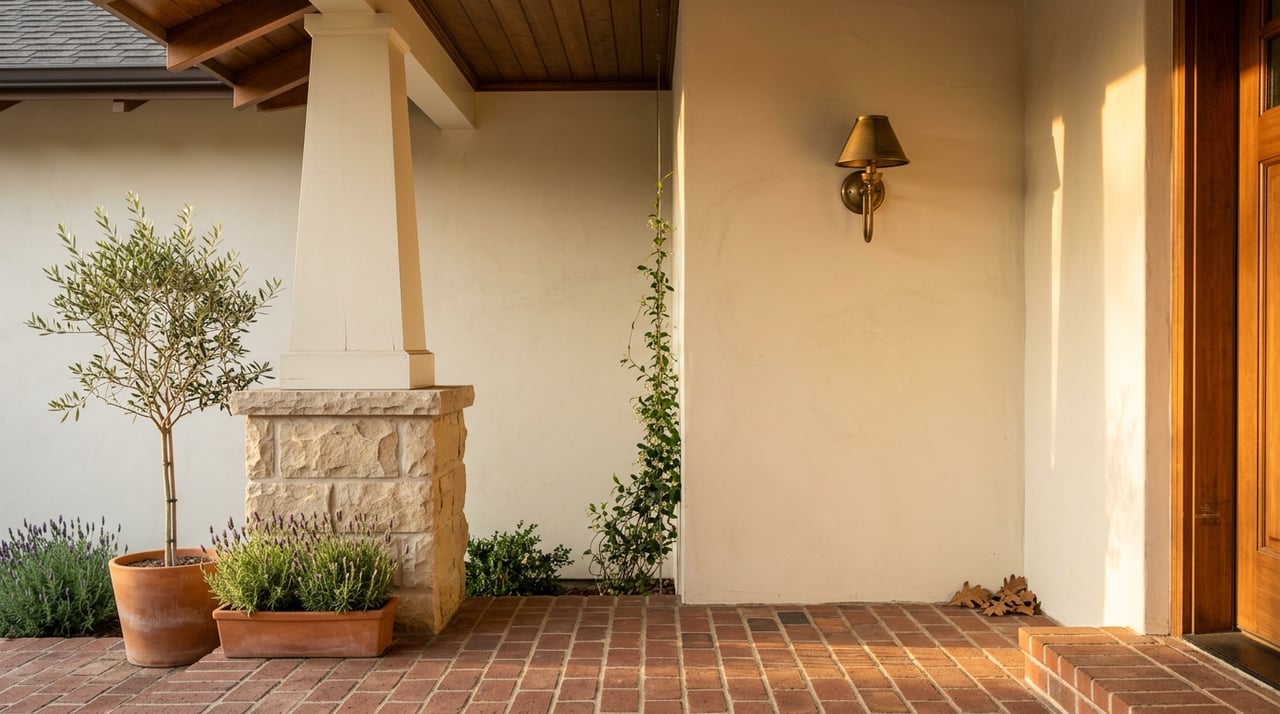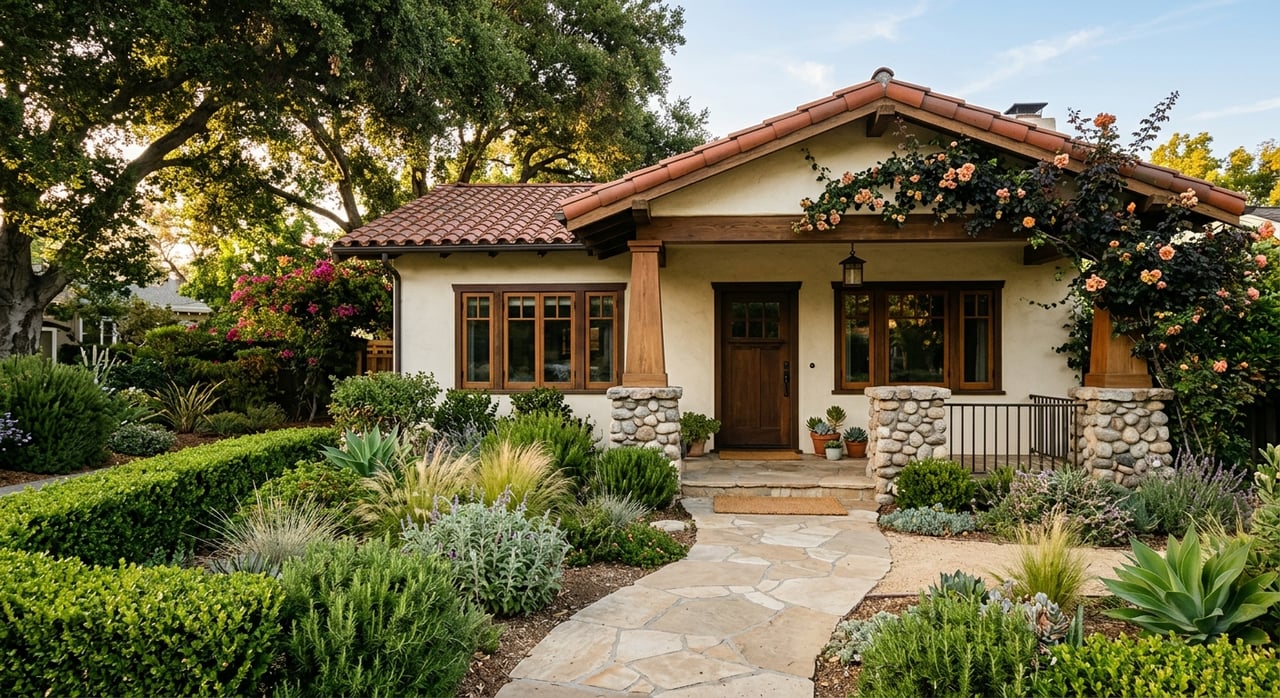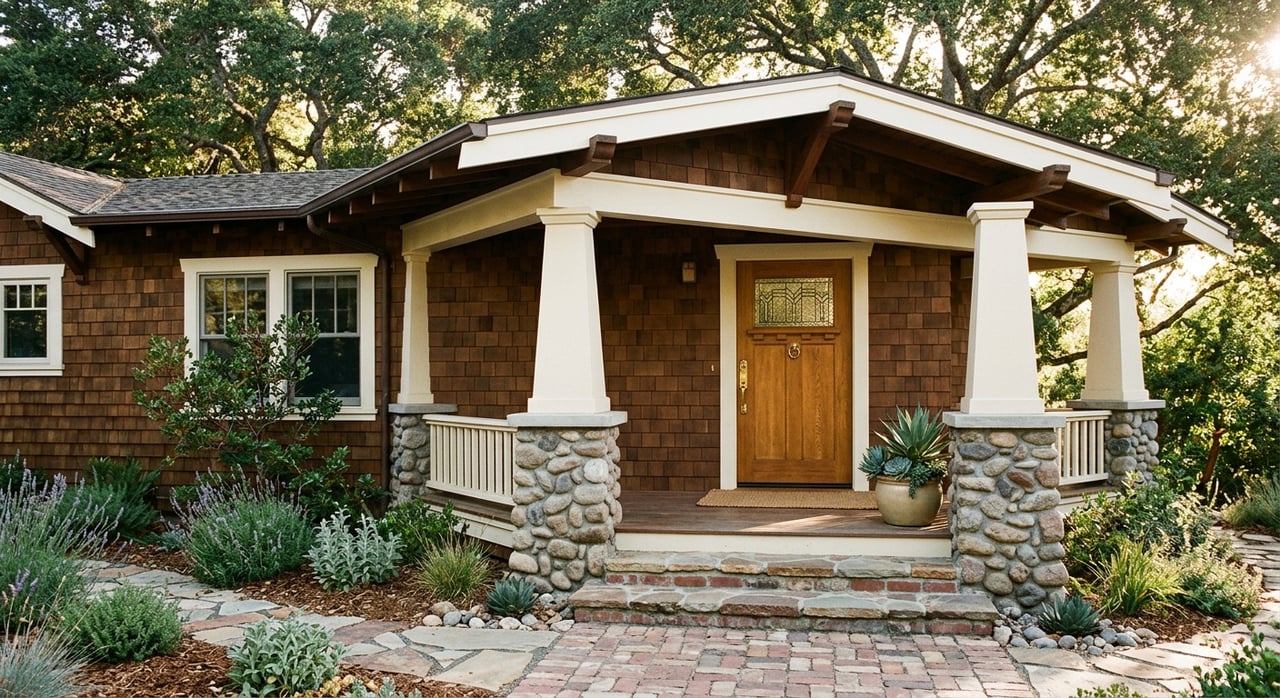
If you are drawn to wide front porches, warm wood details, and the kind of character you just do not find in newer construction, buying an Altadena Craftsman home can feel exciting and a little intimidating at the same time. These homes often offer real architectural substance, but they also come with age, upkeep, and sometimes historic rules that can affect how you live in and update the property. This guide will help you understand what to look for, what to ask, and how to buy with more confidence in Altadena. Let’s dive in.
Why Altadena Craftsman homes stand out
Altadena has a strong historic identity, and that matters if you are shopping for an early-20th-century home. Los Angeles County describes Altadena as rich in historic resources, with County landmarks, listed properties, and now its first County historic district, the Historic Highlands Historic District, approved in July 2025.
That local context helps explain why Craftsman homes remain such an important part of the area’s housing stock. In Altadena, a Craftsman is not just one specific look. According to the County’s historic work guidelines, the style ranges from modest bungalows to more elaborate architect-designed houses.
Key Craftsman features to recognize
When you tour homes, it helps to know what makes a Craftsman a Craftsman. Common character-defining features include:
- Low-pitched, front-facing gabled roofs
- Broad eaves
- Exposed structural members
- Shingled or clapboard exteriors
- Wide wood doors with sidelights
- Grouped casement windows
- Three-over-one or four-over-one windows
These details are more than decorative. In many cases, they are part of the home’s historic character, which can affect repair decisions, remodeling plans, and long-term maintenance.
What the floor plan may feel like
One of the biggest adjustments for buyers is the layout. Southern California Arts-and-Crafts homes from the bungalow era usually have compact, informal plans rather than the open layouts many buyers see in newer homes.
National Park Service documentation on Pasadena-area Arts-and-Crafts houses notes that these homes were often L-shaped, U-shaped, square, or rectangular, with the living room as the focal point and only a few halls. A common pattern places the living room at the front, the dining room and bath in the middle, and the kitchen and back porch toward the rear. If there is a second story, it may include a sleeping porch.
How older layouts affect daily living
That classic plan can be charming, but it is different from modern construction. You may find stronger room-to-room separation, smaller kitchens, and less direct sightline between living spaces.
You may also see original built-ins, paneled walls, fireplaces, wood windows, and visible stair treatments. Those features can be a major part of the appeal, but they also mean that removing walls or dramatically reworking the interior may have a bigger impact than it would in a newer house.
What to inspect before you buy
A beautiful front porch should never distract you from the practical side of ownership. Older wood-frame homes need careful review, especially around moisture, pests, and building materials.
For many buyers, the smartest move is to focus first on the condition of the building envelope and major systems. That can help you separate cosmetic charm from expensive future work.
Check moisture and drainage first
Moisture is one of the biggest long-term risks in older homes. The National Park Service recommends keeping roofs, gutters, downspouts, windows, and door openings in good repair and avoiding conditions that trap moisture.
For an Altadena Craftsman, that means paying close attention to:
- Roof age and visible wear
- Flashing condition
- Gutter and downspout function
- Drainage away from the house
- Exterior paint condition
- Shrubs or vines touching siding, trim, or porch elements
Even small moisture issues can lead to more serious wood damage over time, so this part of the inspection deserves close attention.
Ask about termites
Termites are another major issue in older California homes. According to UC IPM guidance on drywood termites, inspections rely on visual review of accessible areas, but hidden infestations can be difficult to detect without professional help.
Inspectors often look for feeding damage, shed wings, fecal pellets, and kickout holes. Because hidden activity may not be visible during a routine walk-through, buyers should take termite findings seriously and understand what was and was not accessible during the inspection.
Understand lead and asbestos risk
If you are buying an older Craftsman, you should also plan for questions about lead-based paint and asbestos. The EPA states that homes built before 1978 may contain lead-based paint, and about 87% of homes built before 1940 contain some lead-based paint.
Federal rules also require sellers of most pre-1978 housing to disclose known lead hazards and give buyers an opportunity to inspect before closing. The EPA further notes that asbestos generally cannot be identified by sight alone, and remodeling may disturb asbestos-containing materials. If materials are suspected, they should be evaluated by a trained professional.
Historic status can affect your remodel plans
Not every older home in Altadena will have the same level of historic oversight, but this is one of the most important things to understand before you buy. Because Altadena is unincorporated, preservation rules come through Los Angeles County’s Historic Preservation Program.
Under the County’s ordinance and guidelines, a Certificate of Appropriateness is required before exterior work on a landmark or historic-district property, or before work that affects a character-defining feature. Interior work is generally not reviewed unless it involves a designated interior space that is itself character-defining and open to the public.
Why this matters to buyers
This can have a real impact on your future plans. If you are imagining a porch enclosure, major exterior redesign, or an addition that changes roof lines or obscures original windows, preservation review may become part of the process.
The County’s guidelines emphasize retaining historic character, repairing deteriorated features where feasible, and keeping additions compatible in scale and massing. They also note that homes outside a district’s period of significance, or those with reduced historic integrity, may have more exterior flexibility.
Preservation versus renovation
Buying an Altadena Craftsman often means balancing love of character with practical updates. The Secretary of the Interior’s Standards for Preservation favor maintaining a property’s existing form, integrity, and materials, with repair preferred over extensive replacement.
In plain terms, the best early investments are often not flashy design changes. They are the upgrades that protect the house and improve day-to-day comfort without erasing what makes it special.
Best first upgrades to consider
For many buyers, the most sensible budget priorities include:
- Roof repairs or replacement when needed
- Gutter and drainage improvements
- Termite treatment and wood repair
- Window repair or selective upgrades
- Air sealing and weatherization
- HVAC improvements
- Electrical system updates
The National Park Service also notes that historic buildings can often be weatherized without losing their character. A good starting point is an energy audit, followed by steps to reduce air infiltration and improve the efficiency of existing windows, doors, HVAC, and electrical systems.
Know the Mills Act tax incentive
If you plan to own the property long term, the Los Angeles County Mills Act Program is worth understanding. This program is available for qualified historic properties in unincorporated Los Angeles County and can offer a property tax incentive in exchange for preserving the property.
The contracts run with the property for 10 years and renew automatically each year. Properties under Mills Act contract are also subject to Certificate of Appropriateness procedures, so the tax benefit comes with preservation responsibilities.
Current County program rules include assessed-value caps for eligibility. For single-family homes, the cap is $1.0 million for properties that are individually listed or contributing to the National or California Registers, and $2.1 million for County landmarks or County historic-district contributors. The County’s January 2025 roster includes Altadena properties, which shows that the program is already being used locally.
Questions to ask before making an offer
When you find a Craftsman you love, slow down and ask targeted questions. A little extra homework can protect you from surprises after closing.
Here are a few smart questions to raise:
- Is the property a County landmark, in a historic district, or potentially subject to preservation review?
- Have the roof, gutters, drainage, or exterior wood elements been repaired or replaced recently?
- Is there a recent termite report, and what areas were inaccessible?
- Are there known lead-based paint disclosures for the property?
- Have any major exterior changes or additions been completed, and were they permitted?
- Are original windows, doors, built-ins, or porch features still intact?
- Have energy-efficiency upgrades been made in a way that respects the home’s historic character?
Is an Altadena Craftsman right for you?
An Altadena Craftsman can be a wonderful fit if you value architecture, texture, and a sense of place. These homes often reward buyers who appreciate original detail and are willing to invest carefully in maintenance and compatible upgrades.
They may be less ideal if your goal is a full modern rewrite with major wall removal, dramatic exterior change, or low-maintenance ownership from day one. The best match is usually a buyer who wants character, understands the realities of an older home, and sees stewardship as part of the value.
If you are considering an Altadena Craftsman, working with a local agent who understands both the Pasadena-area market and the realities of historic housing can make the process much smoother. When you are ready to explore Altadena and nearby character homes, connect with Tony Dowdy for thoughtful guidance and a high-touch buying experience.
FAQs
What makes a home a Craftsman in Altadena?
- Common features of an Altadena Craftsman include low-pitched gabled roofs, broad eaves, exposed structural members, shingled or clapboard siding, wide wood doors, grouped windows, and other early-20th-century design details.
What should buyers inspect in an older Altadena Craftsman home?
- Buyers should pay close attention to moisture management, roof condition, flashing, drainage, termite activity, exterior paint, and the possible presence of lead-based paint or asbestos in older materials.
Do historic rules apply to all Craftsman homes in Altadena?
- No. Historic review depends on whether the property is a landmark, in a historic district, or includes character-defining features subject to County preservation rules.
Can you remodel an Altadena Craftsman home after you buy it?
- Yes, but the scope of what you can change may depend on the property’s historic status, especially for exterior work or changes to character-defining features.
Is there a tax benefit for owning a historic home in Altadena?
- Some qualified historic properties in unincorporated Los Angeles County may be eligible for the Mills Act, which can provide a property tax incentive in exchange for preservation obligations.