If you are thinking about buying a loft or condo in Old Pasadena, you are not just choosing a home. You are choosing a very specific kind of city lifestyle shaped by historic buildings, walkable streets, mixed-use blocks, and a busy downtown rhythm. The good news is that with the right due diligence, you can buy with more confidence and avoid surprises. Let’s dive in.
Why Old Pasadena feels different
Old Pasadena is Pasadena’s original downtown and historic commercial district. The Old Pasadena Management District describes it as a 22-block National Register Historic District with more than 300 businesses, pedestrian-friendly streets, historic alleys, and a lively mix of dining, shopping, arts, and nightlife.
That setting creates a different buying experience than you might find in a more typical suburban condo community. Instead of one uniform housing style, you are more likely to see a mix of historic conversions, mixed-use buildings, and newer infill projects shaped by Pasadena’s focus on walkability, transit access, and preservation.
For many buyers, that is exactly the appeal. Pasadena’s planning direction places higher-density development in the Central District and transit-oriented areas, and Old Pasadena offers access to Metro A Line connections through nearby stations like Memorial Park and Del Mar, along with Pasadena Transit connections.
What you might actually be buying
Condo ownership is a legal structure
In California, a condominium is an ownership form, not a design style. That means you own your individual unit while also sharing ownership or use of common areas through a common interest development structure.
This matters because two homes in Old Pasadena can both be condos but feel completely different. One may be in a historic brick building with character-driven details, while another may be in a newer building with a more contemporary layout and finish package.
Old Pasadena buildings vary a lot
Old Pasadena’s restored buildings span roughly 1875 to 1949, and Pasadena supports rehabilitation, adaptive use, and restoration of historic structures. The city also supports adaptive reuse of some nonresidential buildings for housing, which helps explain why buyers often encounter loft-like homes and conversion-style residences here.
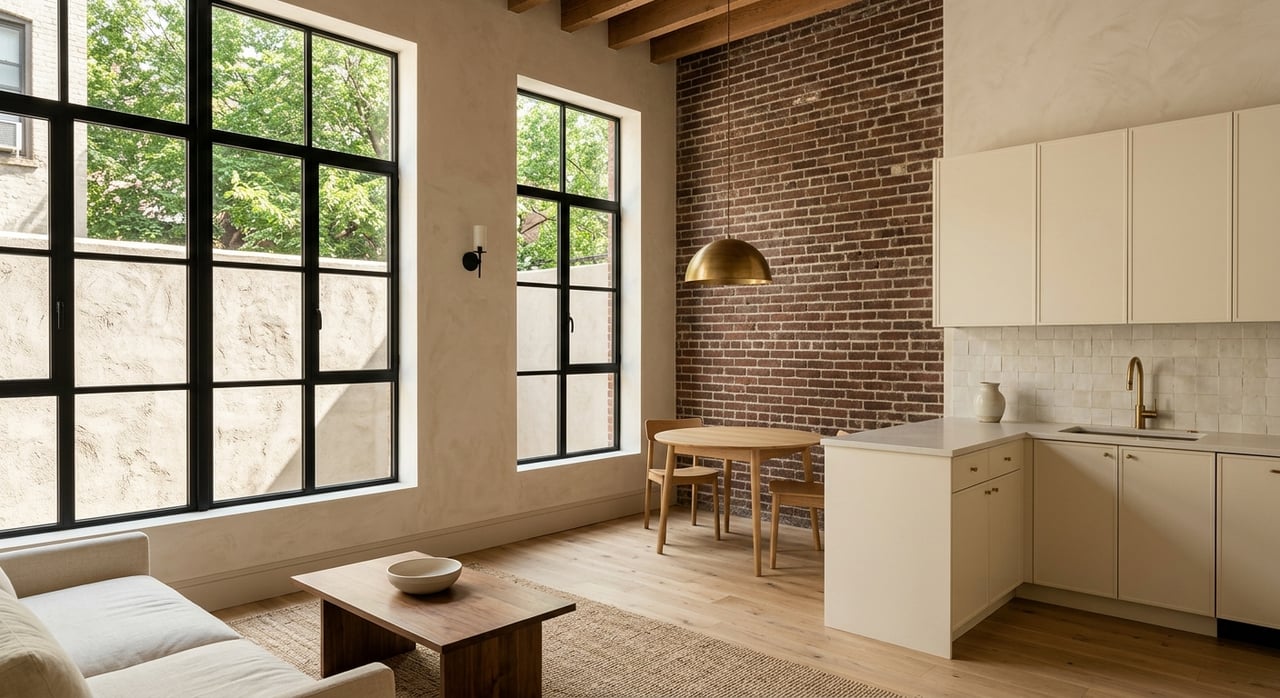
As a result, interior finishes can vary widely from one building to the next. Some homes may feature exposed beams, brick walls, or reclaimed wood-style details, while others may feel more like a standard modern condo with drywall, updated kitchens, and newer fixtures. You should verify the exact interior character of any unit rather than assume all Old Pasadena lofts look the same.
Historic status can affect your plans
If a building is a designated historic resource or located within a landmark district, exterior changes visible from the street and new construction generally require a Certificate of Appropriateness before a building permit is issued. That may not affect your day-to-day living, but it can matter if you plan to remodel or make visible exterior changes.
Pasadena also notes that some historic properties may use the State Historical Building Code in certain cases. In addition, some designated historic properties may qualify for Mills Act property tax relief. Those potential benefits can be meaningful, but they often come with preservation-related review and limitations.
Before you buy, ask clearly whether the building has historic designation and what that means for your ownership. It is much easier to understand those rules before closing than after you move in.
HOA review is not optional
The documents matter
For lofts and condos in Old Pasadena, the homeowners association documents are one of your most important sources of information. Under California law, sellers must provide key materials before closing, including governing documents, the most recent annual budget and reserve materials, assessment details, unresolved violation notices, and requested board minutes from the prior 12 months.
Those documents can tell you how the building really operates. They are where you can confirm rules on pets, rentals, alterations, moving procedures, common-area use, and ongoing ownership costs.
Reserves and assessments deserve extra attention
In older urban buildings, reserve strength can be a major issue. California requires a reserve study at least every three years when applicable, with annual review by the board, and the annual budget report must include reserve and insurance summaries along with a funding plan.
If the HOA has weak reserves, visible deferred maintenance, or signs of a likely special assessment, treat that as a serious warning sign. A beautiful unit can still become an expensive purchase if the association is not financially prepared for repairs.
Insurance questions matter too
The annual budget materials must also summarize the association’s property, general liability, earthquake, flood, and fidelity insurance. That does not mean every policy will fit your comfort level, so it is worth reviewing deductibles and understanding how the association’s coverage interacts with your own future policy.
This is especially important in an older building or a historic conversion. Insurance details can affect both your monthly risk picture and your long-term ownership costs.
Check rental rules early
If flexibility matters to you, verify rental restrictions before you remove contingencies. California requires disclosure of any governing-document provision that prohibits leasing, and HOA rules can affect whether a unit works for your long-term plans.
That matters whether you are thinking about future relocation, keeping the unit as an investment, or simply wanting options later. Do not wait until the end of the process to learn that the building’s rules do not match your goals.
If you plan to use FHA financing, check project approval status early as well. The annual budget report must state whether the project is FHA approved, and it is better to know that before you spend time and money on inspections.
Parking can make or break the purchase
Parking is one of the biggest practical issues in Old Pasadena. Pasadena says there is no street parking allowed between 2 a.m. and 6 a.m. except where posted otherwise, and parking meters in Old Pasadena are enforced seven days a week.
The district does have public parking options, including Park & Walk garages, but public parking is not the same as having a reliable everyday plan. If a home does not come with clear parking, you need to understand exactly how you will live there.
Ask these questions during your tour and disclosure review:
- Is parking deeded, assigned, leased, or first come, first served?
- How many spaces come with the unit?
- Is there guest parking?
- What is the overnight parking plan?
- Are there any restrictions on oversized vehicles or EV charging?
A stylish loft loses some of its shine if parking becomes a daily headache.
Noise is part of urban due diligence
Old Pasadena’s energy is a major reason people want to live there, but that same energy can create noise. Pasadena’s planning materials identify vehicles, aircraft, light rail, commercial activity, recreational activity, and special events as possible noise sources.
In practical terms, that means you should not judge a unit based on one quick daytime showing. A home that feels peaceful at 11 a.m. on a weekday may feel very different at night or over the weekend.
Try to visit or at least observe the area at different times if you can. Pay attention to alley activity, restaurant and bar traffic, delivery patterns, nearby rail activity, and how well the windows and walls seem to buffer sound.
Questions to ask before you buy
A smart Old Pasadena condo purchase usually comes down to asking better questions early. Here are some of the most useful ones:
- Is this a true condo, a loft conversion, or another type of common interest development?
- What do the CC&Rs say about rentals, pets, noise, modifications, and moving hours?
- When was the last reserve study completed?
- Are any special assessments pending or being discussed?
- What insurance does the HOA carry, including earthquake coverage?
- Is the project FHA approved if financing depends on it?
- How is parking handled for owners and guests?
- If the building is historic, what changes require city review?
These questions help you move past surface-level appeal and evaluate how the home will function in real life.
Red flags buyers should not ignore
Some issues deserve immediate caution. In Old Pasadena, the most common red flags include:
- No clear parking solution for the unit or your guests
- Missing HOA reserve, insurance, or assessment information
- Evidence of deferred maintenance or underfunded reserves
- Signs that a special assessment may be coming
- Noise exposure that was never tested in person
- Historic or conversion-related restrictions that were not clearly explained
None of these automatically kills a deal. But each one should trigger deeper review before you commit.
Why local guidance matters here
Buying a condo in Old Pasadena is rarely just about square footage and finishes. You are also evaluating the building’s ownership structure, HOA health, parking reality, noise exposure, and in some cases, historic-review limitations.
That is why local context matters. In a neighborhood with such a specific mix of historic character and urban convenience, the strongest buying decisions usually come from understanding how the property fits your day-to-day life, not just how it looks online.
If you are exploring lofts or condos in Old Pasadena and want a clear, practical buying strategy, working with a Pasadena-focused broker can help you ask the right questions, read the disclosures carefully, and negotiate with confidence. When you are ready to talk through your options, connect with Tony Dowdy.
FAQs
What makes buying a condo in Old Pasadena different from other Pasadena areas?
- Old Pasadena is a historic, walkable downtown district with a mix of converted buildings, mixed-use properties, and newer infill projects, so buyers often need to evaluate parking, noise, HOA rules, and possible historic restrictions more closely.
What should you review in Old Pasadena HOA documents before buying?
- You should review the CC&Rs, annual budget, reserve information, assessment details, insurance summary, unresolved violation notices, and board minutes that help explain rules, costs, and building condition.
Why is parking important when buying an Old Pasadena loft or condo?
- Pasadena restricts overnight street parking in many areas, and Old Pasadena meter enforcement runs seven days a week, so you should confirm whether the unit includes a dependable owner and guest parking solution.
Can historic status affect an Old Pasadena condo purchase?
- Yes. If the building is a designated historic resource or in a landmark district, some exterior changes visible from the street and some construction work may require city review before permits are issued.
What noise issues should you check before buying in Old Pasadena?
- You should test the area and unit at different times of day to evaluate possible noise from traffic, light rail, commercial activity, alley deliveries, nightlife, and special events.
Should FHA buyers verify condo approval early in Old Pasadena?
- Yes. If you plan to use FHA financing, confirm the project’s FHA approval status early so you do not lose time after inspections or disclosure review.