Wondering whether selling a condo in Old Pasadena’s Historic District is more complicated than a typical Pasadena sale? In some ways, yes, but it can also be a real advantage when you prepare the right way. If you own a condo here, you are selling more than an interior space. You are also selling walkability, historic character, and a downtown lifestyle that many buyers actively seek. This guide will help you understand what matters most so you can price smart, prepare early, and move through escrow with fewer surprises. Let’s dive in.
Why Old Pasadena stands out
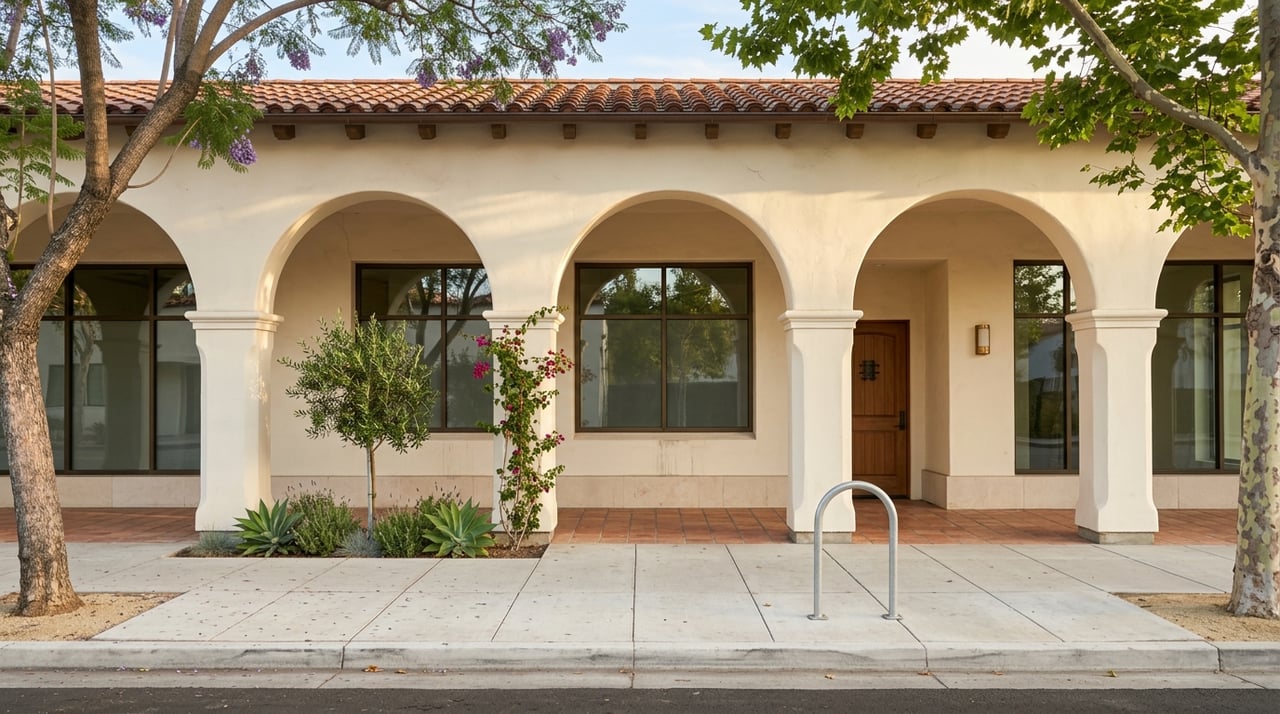
Old Pasadena is a 22-block National Register Historic District with pedestrian-friendly streets, historic alleys, and more than 300 businesses. The area is known for its mix of shopping, dining, arts, entertainment, and everyday convenience. For condo sellers, that means buyers are often drawn to the neighborhood experience just as much as the unit itself.
The Old Pasadena Management District also supports district-wide security, marketing, and maintenance. The district includes Central Park and Memorial Park, which adds to the polished, walkable feel many buyers notice right away. When you market your condo, that broader setting can be part of the story.
Historic status and your sale
A common question is whether historic-district status makes a condo harder to sell. Pasadena says district designation does not affect the use or sale of a property. In plain terms, you can sell your condo without historic status blocking the transaction.
Where historic rules do matter is with exterior work, demolition, and new construction. Exterior alterations visible from the street may require a Certificate of Appropriateness before a building permit can be issued. If a buyer asks about future changes to a balcony, windows, or other exterior-facing elements, it helps to explain that city review may apply.
Design review matters for exterior changes
Pasadena’s design review process can include preliminary consultation, concept design review, and final design review. Major alterations and new construction go through a more structured process, and the city’s historic-district guidelines are based on the Secretary of the Interior’s Standards. That does not stop a sale, but it can shape buyer expectations.
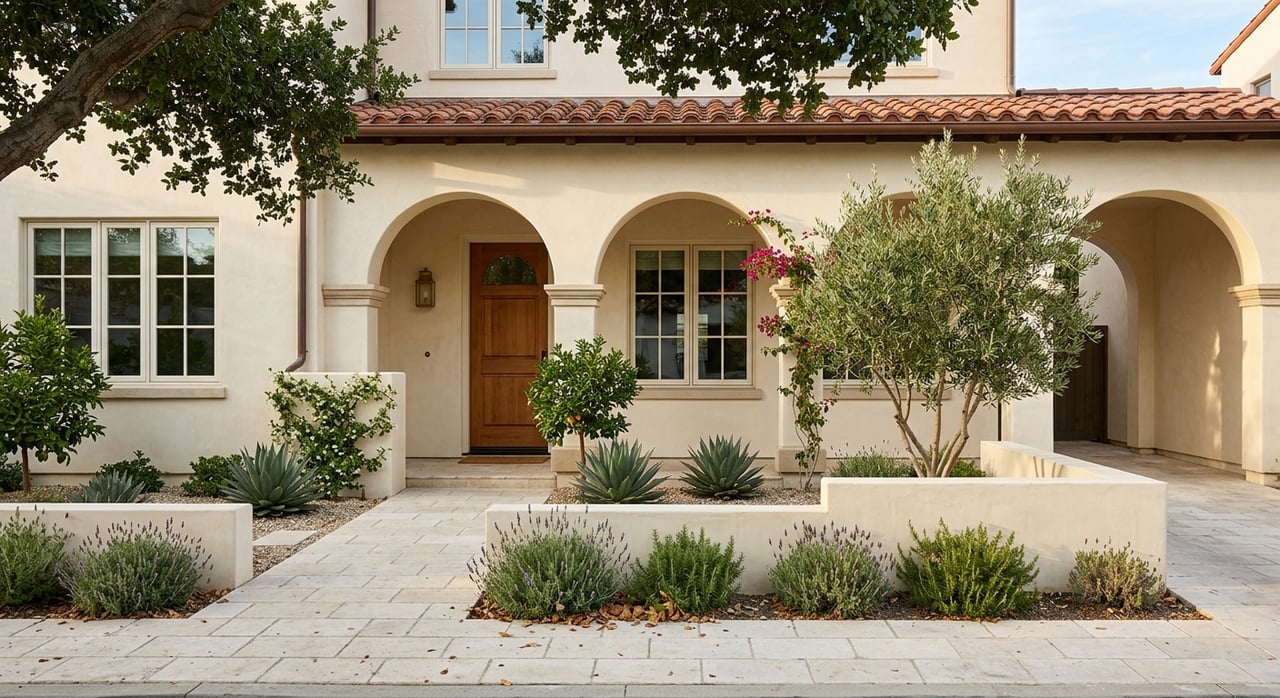
If your building has a strong architectural identity, this can actually support value. Buyers who choose Old Pasadena are often looking for character and a setting that feels distinct from newer, more generic condo options.
Mills Act questions may come up
Some historic properties are enrolled in the Mills Act program. If your building or property is subject to a Mills Act historic property contract, that agreement runs with the land, transfers to the new owner, and requires maintenance to historic standards. This is a niche issue, but an important one if it applies to your property.
If you are not sure whether your building is enrolled, it is worth confirming early. Clear answers help buyers feel confident and can prevent delays during due diligence.
Pricing a condo in Old Pasadena
Pasadena market snapshots suggest an active environment. Recent market pages described Pasadena as a seller’s market, with homes selling in a median of 46 days and at about 103 percent of list price. Condo data also pointed to a median listing price around $785,000 and about 53 days on market, while Old Pasadena condo inventory appeared thin at the time of review.
That said, broad Pasadena averages only go so far when you are pricing a condo in Old Pasadena. In this part of the market, same-building and same-complex comparables often matter more than citywide numbers. Buyers tend to compare HOA dues, parking, storage, views, building style, and the feel of one specific building against another.
What buyers compare most
When buyers narrow down condos in Old Pasadena, they often focus on a few practical details:
- Assigned parking and guest parking
- Storage availability
- Balcony, terrace, or outdoor space
- Natural light and views
- HOA fees and recent assessments
- Building character and common-area condition
- Walkability to shops, dining, and entertainment
A strong pricing strategy should account for both the unit and the building. A polished lobby, appealing common areas, and a well-documented HOA can influence how buyers view overall value.
HOA documents can slow escrow
One of the biggest differences between selling a condo and selling a single-family home is the HOA package. In California, a condo buyer automatically becomes a member of the homeowners association. So you are not just transferring title to the unit. You are also transferring the buyer into the community’s governing structure.
Under Civil Code 4525, sellers must provide key HOA and resale documents. These can include governing documents, the most recent annual budget and reserve materials, a statement of regular and special assessments, unpaid assessments and fines, any rental prohibition statement, board minutes if requested, and the latest exterior elevated element inspection report.
Order the HOA packet early
Civil Code 4530 requires the association to provide a written or electronic fee estimate within 10 days after a written request. It also says document fees must be separately billed, not bundled. Since timing matters, one of the smartest steps you can take is ordering the HOA documents early rather than waiting until your condo is already on the market.
That early start can make a real difference. Buyers often review HOA budgets, reserves, rules, and recent board activity closely, and any missing item can create avoidable back-and-forth during escrow.
Exterior elevated element reports
If your building has balconies, walkways, stairways, or similar exterior elevated elements, the resale package must include the most recent inspection report required under Civil Code 4525. Civil Code 5551 defines these elements as load-bearing components and related waterproofing systems used for decks, balconies, stairways, and walkways.
In practical terms, buyers may want to know the condition of these features and whether the association has addressed repairs or maintenance. Having this report ready is part of presenting a well-managed sale.
Disclosures deserve early attention
The Transfer Disclosure Statement is another important part of the process. It describes the property’s condition and any known hazards or defects. California disclosure timing matters because late delivery can give a buyer a termination right within 3 days if disclosures are delivered in person, or 5 days if mailed.
This is why disclosures should never feel like a last-minute task. When you prepare them early and accurately, you reduce the risk of timing issues and give buyers a better framework for making a confident decision.
What to highlight in your marketing
Old Pasadena condo marketing works best when it connects the home to the neighborhood lifestyle. This is a district known for open-air eateries, specialty boutiques, galleries, theaters, events, hotels, and easy pedestrian access. Many buyers are not just shopping for square footage. They are shopping for a daily experience.
That means your listing should show how the condo lives. The best presentation usually translates practical features into everyday benefits, like a short walk to dinner, easy access to parking, or a balcony that adds usable outdoor space.
Parking should be front and center
Parking is a major selling point in Old Pasadena. The city says there are more than 1,200 parking meters in five areas, street parking is generally not allowed from 2 a.m. to 6 a.m. except where posted otherwise, and Old Pasadena promotes first 2 hours for 1 dollar in its three Park & Walk garages.
For buyers, parking clarity matters. Your marketing should clearly explain assigned spaces, tandem or side-by-side configuration, guest parking options, and any storage tied to the parking area.
Show how the space really works
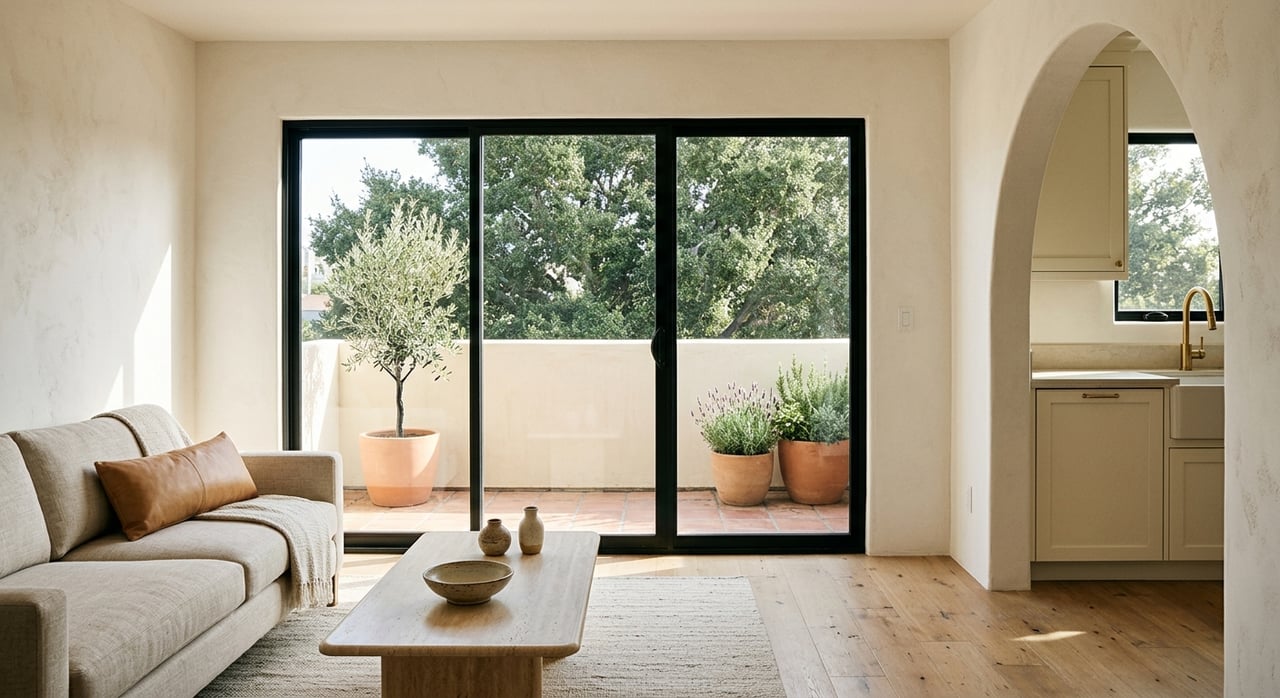
Many Old Pasadena condos compete on efficiency, design, and urban convenience. Good staging helps every square foot make sense. Buyers should be able to see furniture scale, easy circulation, closet depth, and usable wall space.
Professional photography should capture more than the living room and kitchen. It should also show the balcony or terrace, parking access, common areas, views, and architectural details that reinforce the building’s historic character.
A smoother sale starts with preparation
If you want the process to feel more predictable, a simple prep plan can help:
- Confirm recent same-building and same-complex comparable sales.
- Order HOA documents as early as possible.
- Check whether your property is subject to a Mills Act contract.
- Gather disclosure information before the listing goes live.
- Clarify parking, storage, and any exterior elevated element reports.
- Stage and photograph the condo to show function, light, and lifestyle.
Each of these steps helps reduce friction later. In a condo sale, good preparation is often what separates a smooth escrow from a stressful one.
Why local strategy matters
Selling a condo in Old Pasadena is not just about putting a home on the market. It requires attention to pricing within the building, a clear understanding of HOA and disclosure requirements, and marketing that captures both the unit and the district’s historic appeal.
That is where local experience can make a difference. When your sale involves neighborhood-specific buyer expectations, building-level comparisons, and a document-heavy condo process, thoughtful planning matters.
If you are thinking about selling and want a pricing strategy tailored to your building, your HOA, and your place in the Old Pasadena market, connect with Tony Dowdy for a personalized next step.
FAQs
Does historic-district status stop you from selling a condo in Old Pasadena?
- No. Pasadena states that historic-district designation does not affect the use or sale of the property, though it can affect exterior alterations, demolition, and new construction.
What usually makes an Old Pasadena condo escrow take longer?
- HOA documents, assessment information, board materials, disclosures, and any required exterior elevated element inspection report can all add review time to the transaction.
What HOA documents do you need when selling a condo in California?
- Under Civil Code 4525, sellers typically need governing documents, annual budget and reserve materials, assessment statements, unpaid assessment and fine information, any rental prohibition statement, requested board minutes, and the latest applicable exterior elevated element inspection report.
Why is parking such a big issue when selling a condo in Old Pasadena?
- Buyers often want clear details about assigned parking, guest parking, and storage because Old Pasadena is a busy walkable district with meter rules, overnight street parking limits, and public garage options.
Should you price an Old Pasadena condo using citywide Pasadena averages?
- Not by themselves. Same-building and same-complex comparables usually carry more weight because buyers compare HOA costs, parking, layout, building condition, and amenities very closely.
What should listing photos show for an Old Pasadena condo sale?
- Photos should highlight the interior, natural light, balcony or terrace, parking access, common areas, views, storage, and architectural details that support the building’s historic character and downtown setting.