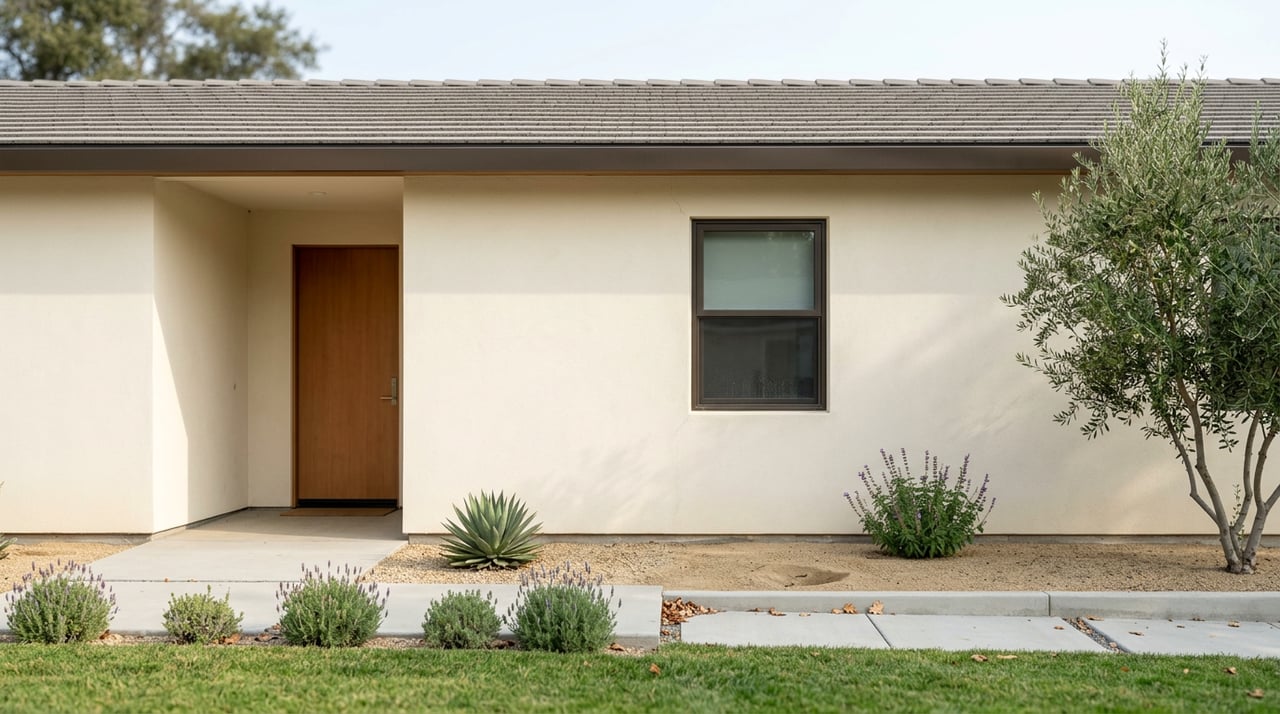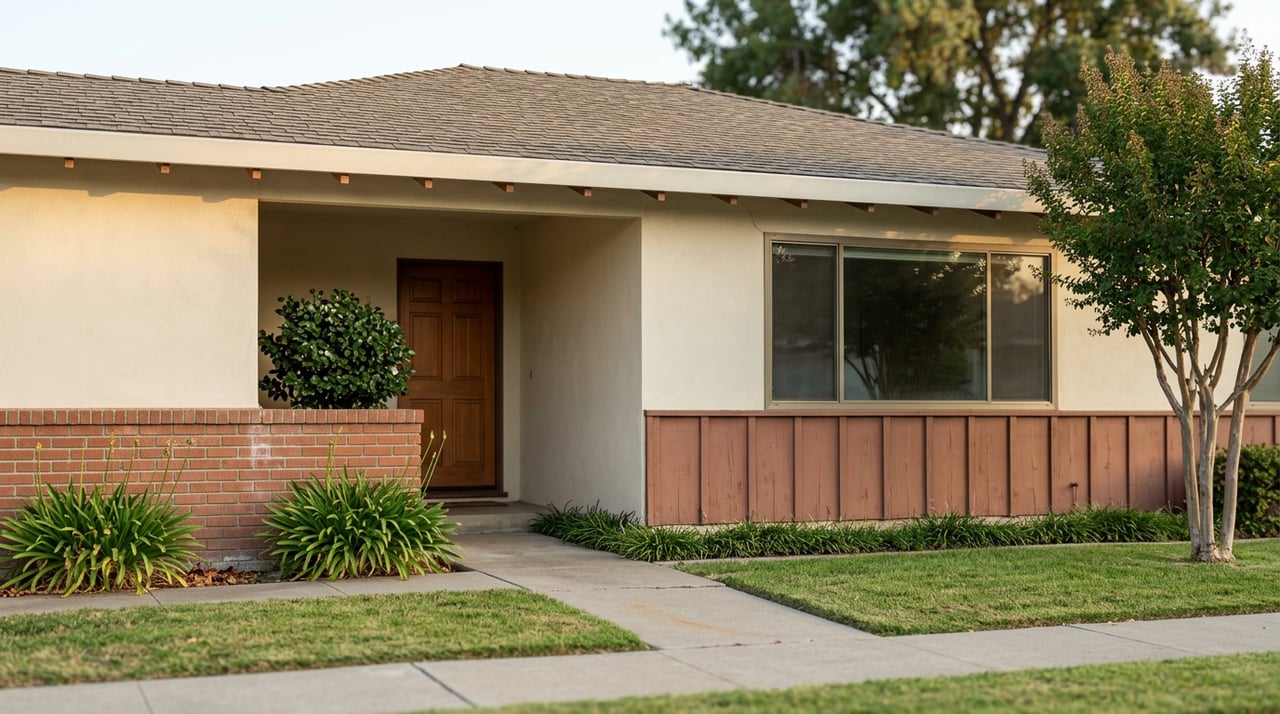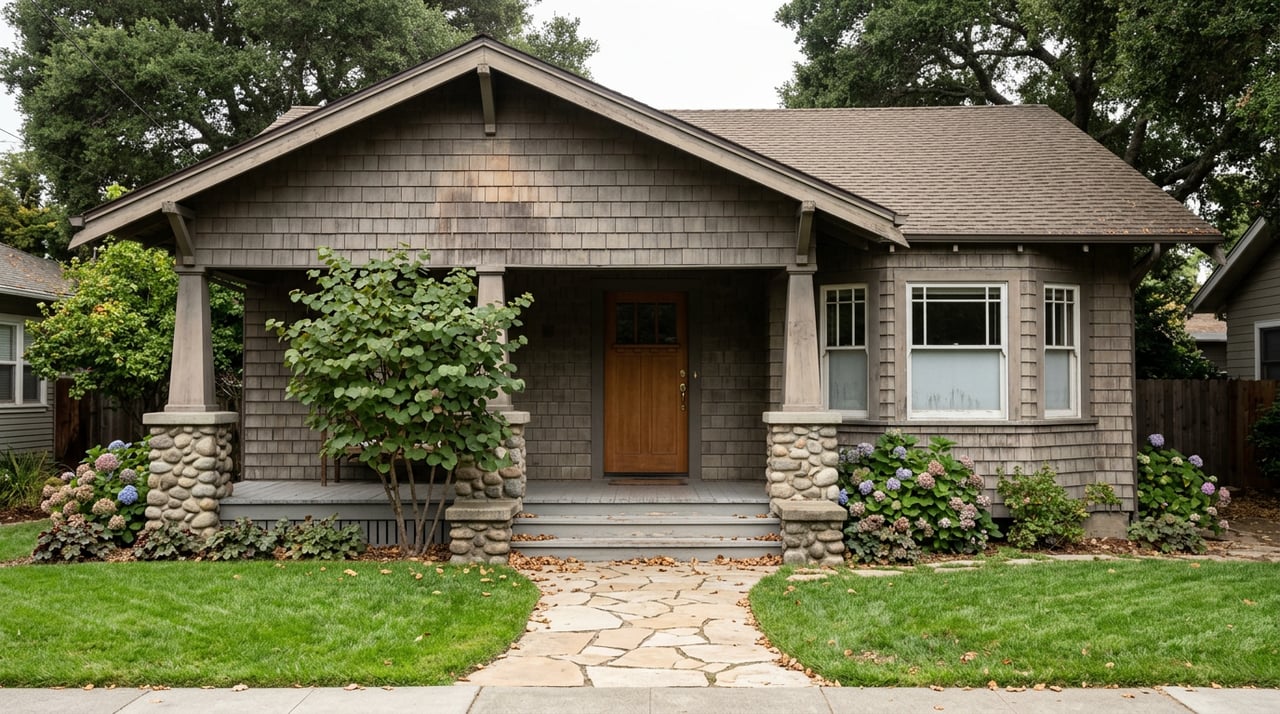
One Altadena homeowner spent this spring ready to list. The photos were scheduled, the listing agent had a price in mind, and then the sign never went up. Her house survived the Eaton Fire with its structure intact, but by the time she and her husband sat down to actually prepare the listing, they were still negotiating with their insurance carrier over smoke and heat damage, and the property had reportedly lost close to a third of its pre-fire value in the meantime, according to reporting by The Real Deal this April. Nothing about her situation involved a burned lot or a construction permit. It involved paperwork that outlasted her patience.
That story matters because most guides to selling in Altadena right now walk you straight to the Natural Hazard Disclosure and stop there, as if the fire zone box is the only box that can hold up escrow. It isn't. The documents that actually stall a 2026 sale in Altadena tend to be the ones nobody thinks to ask about until an inspector, an appraiser, or an underwriter finds them first.
The disclosure everyone already expects
Altadena sits inside a state-mapped Very High Fire Hazard Severity Zone, so every seller here already knows, or should know, that a Natural Hazard Disclosure report is coming. Under state law, that report covers six categories, including flood zones, earthquake fault zones, and fire hazard severity, and it has to reach the buyer before or alongside the Transfer Disclosure Statement, or the buyer gets a three-day window to walk. That part of the process is well documented, escrow officers handle it routinely, and it rarely surprises anyone. It's the four items that follow it that catch sellers off guard.
The compliance report with a shelf life
Since July 2021, California's AB 38 has required sellers in high and very high fire hazard zones to hand buyers documentation showing the property complies with defensible space requirements, and since July 2025 that disclosure expanded to include a standardized checklist of home-hardening features, covering things like vent openings, roof flashing, and window glazing, along with a list of low-cost retrofits and which ones a seller has actually completed. None of that is optional in Altadena.
Here's the detail that trips people up: the vegetation and defensible space inspection report itself is only good for six months from the date it's issued. Sellers who order it early, months before they're ready to list, sometimes end up watching it lapse while they finish repairs, wait on a contractor, or sit in a slower-than-expected escrow. Fire-adjacent properties in this market are already taking longer to close than the standard 30 to 45 days, largely because lenders want additional insurance and hazard documentation before funding. If that inspection report expires while a buyer's loan is still in underwriting, the seller is back on the phone scheduling a re-inspection in the middle of a transaction that was supposed to be closing. The fix isn't complicated. Order the report close to your actual listing date, not the moment you decide to sell.
The insurance number buyers see for the first time
A state law that took effect at the start of 2025, Senate Bill 1211, requires sellers in fire-prone areas to disclose the actual dollar amount of their current homeowners insurance premium, not an estimate and not a range. For a lot of Altadena sellers, that number now reflects a policy through the California FAIR Plan, the state's insurer of last resort that many homeowners here were pushed onto after private carriers pulled back from the area, and FAIR Plan coverage typically runs well below what full replacement actually costs.
The friction shows up on the buyer's side of the table. A buyer who budgeted for a conventional premium and then sees the seller's actual FAIR Plan bill, or discovers their own quotes are landing higher than expected, can lose confidence in the deal fast, sometimes after the offer is already accepted. Sellers who pull their current premium and have it ready before they list, rather than scrambling to produce it once a buyer's lender asks, keep that conversation from becoming a renegotiation.
What happens when the extra bedroom was never permitted
Altadena's housing stock is overwhelmingly pre-1960, and a lot of the extra square footage that came later, garage conversions, patio enclosures, an added bathroom, a bedroom carved out of what used to be a sunporch, went in without a permit. California law requires sellers to disclose any unpermitted work they know about on the Transfer Disclosure Statement and Seller's Property Questionnaire, and that disclosure obligation doesn't go away just because the work was done by a previous owner decades ago.
The part that actually costs money happens at appraisal. Lenders financing conventional, FHA, or VA loans require permitted square footage, and an appraiser who spots a converted garage or an addition that doesn't match the county's permit history will typically exclude that space from the appraised value. That can shrink the loan amount mid-escrow, sometimes enough to reopen price negotiations or push a buyer toward a larger down payment they hadn't planned on. Pulling your LA County Department of Public Works permit history before you set a price, not after a buyer's inspector finds the discrepancy, gives you the choice of pursuing a retroactive permit, pricing around it, or offering a credit, instead of having that choice made for you in week three of escrow.
If you bought within the last 18 months, there's a new form for you too
This one is easy to miss because it's recent. Under Civil Code section 1102.6h, added by AB 968 and effective for offers accepted on or after July 1, 2024, a seller who accepts an offer within 18 months of the date they took title has to disclose any room additions, structural changes, or repairs done by a contractor since they bought, name the contractor, and provide copies of the permits or say who handled permitting.
That rule lands squarely on Altadena's current market. With burned lots trading hands quickly since the fire and a meaningful share of buyers doing rebuild work before reselling, more sellers here fall inside that 18-month window than would in a typical year. If you bought a fire-affected property recently, did any contractor work, and are already thinking about your next sale, this disclosure needs to be on your list well before your first showing.
The pre-listing pull list
Before you call an agent or order photography, a few records are worth having in hand:
- Your property's permit history from LA County DPW, checked against every addition or conversion you know about
- Your current homeowners insurance policy declarations page, showing the actual annual premium
- Septic system certification, if your property is on private septic rather than municipal sewer, which is still common in Altadena's upper foothill sections
- A freshly dated defensible space and vegetation compliance inspection, timed to your actual listing window rather than ordered months in advance
- Contractor names and permit copies for any work done since you took title, if that was within the last 18 months
None of this requires a lawyer to assemble. It requires knowing which documents matter beyond the one everybody already expects.
What the numbers are actually telling sellers right now
Inventory in Altadena stayed tight into August 2026, with the pool of active listings sitting at just 34 homes and a median list price near $1.62 million during the first week of the month. That's a market that still favors sellers on paper. But by spring 2026, the share of Altadena homes selling above their original asking price had fallen from roughly three out of four the year before to just over half, while the share of listings that saw at least one price cut climbed from about 12 percent to over 26 percent.
Falling inventory and rising price cuts don't usually move together. When they do, it's often a sign that the friction showing up isn't about what a house is worth, it's about what happens after an offer is accepted. A buyer's lender balking at unpermitted square footage, a defensible space report that expired during underwriting, or a premium disclosure that came in higher than expected can all force a price adjustment that has nothing to do with the comps. Getting the paperwork right before you list is, at this point, as much a pricing strategy as anything a comparable sale can tell you.
A few questions worth asking before you list
Does my house need to be fire-damaged for any of this to apply? No. The Very High Fire Hazard Severity Zone disclosures, the insurance premium disclosure, and the defensible space compliance report all attach to the property's location, not its condition. An untouched home three blocks from the burn perimeter carries the same obligations as one still waiting on a rebuild permit.
What if I genuinely don't know whether an addition was permitted? Pull the county record before you guess. California's disclosure standard is what a seller knows or reasonably should know, and a converted garage with finished walls and a closet is generally considered something a seller should have investigated, even if a previous owner did the work.
Can I just sell as-is and skip fixing any of this? You can sell as-is, but as-is doesn't remove the disclosure requirement itself. It only shifts the conversation from repair to price, and buyers who see a complete, organized disclosure package tend to negotiate less aggressively than buyers who feel like they're finding problems on their own.
If you're weighing whether now is the right window to list in Altadena, or you want a second set of eyes on what your specific property's paperwork actually requires, Tony Dowdy has spent years walking Pasadena-area sellers through exactly this kind of detail. Reach out for a free home valuation and a straight answer about what your listing needs before it goes live.