Two historic buildings sit a few blocks apart in Old Pasadena, and they share more than a name. Search "Green Hotel Pasadena" and you'll pull up two very different properties: a Moorish-Victorian landmark on South Raymond Avenue where couples get married under restored ballroom ceilings, and a waitlisted apartment building for seniors on East Green Street. Both trace back to the same 1890s hotel complex. Only one of them is a condo you can actually buy.
That mix-up isn't just a search-engine quirk. If you're circling a listing at Castle Green, the building most people mean by the first description, you're not only evaluating square footage and a decorative fireplace with original wood moldings. You may be stepping into a property tax arrangement the city negotiated with a previous owner years ago, one that doesn't restart when your name goes on the deed and doesn't guarantee the tax bill a listing sheet implies.
Two Buildings, One Hotel, Different Ownership Models
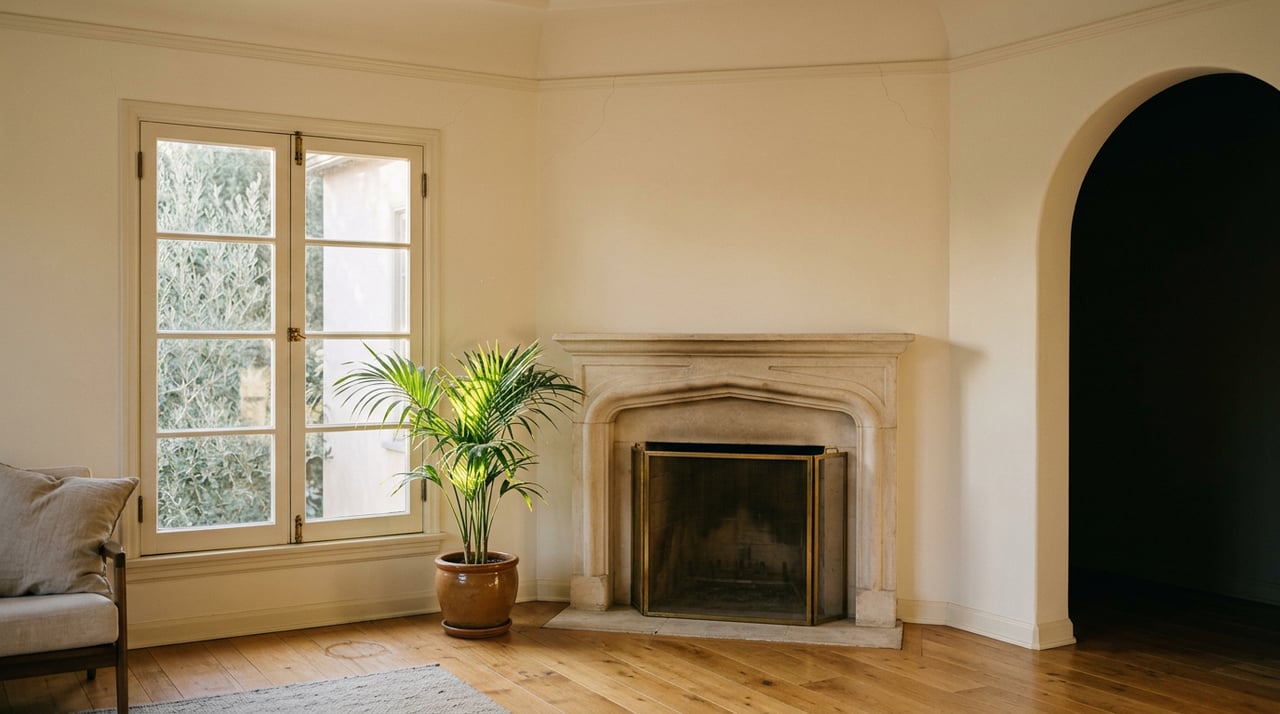
Castle Green sits at 99 South Raymond Avenue. It was built in 1898 as the Central Annex to the original Hotel Green, designed by architect Frederick I. Roehrig in a blend of Moorish, Spanish, and Victorian styles. Today it holds 50 individually owned condominium units on the National Register of Historic Places, many still carrying high ceilings, decorative fireplaces, and original wood moldings, along with restored common areas that include a ballroom and gardens.
A few blocks away at 50 East Green Street stands the building most people picture when they hear "Hotel Green": the original structure from the 1890s, also on the National Register and designated a Pasadena Historic Monument. It isn't condos. It's 139 units of income-restricted senior housing. In 2024, the nonprofit developer Community Preservation Partners bought the property in a renovation deal totaling roughly $100 million, including a $54 million purchase price and about $115,000 per unit in planned upgrades, as reported by Pasadena Now. At the time of the sale the building was fully occupied with a waitlist, and its affordability agreement runs through 2035.
Same hotel lineage, completely different transactions. One building sells condos to individual owners who can apply for historic tax treatment. The other is rental housing under a long-term affordability contract that has nothing to do with anyone buying a home. If your search results keep blending the two, you're not imagining it.
What the Mills Act Actually Promises
Here's the piece that trips up buyers at Castle Green and at other Pasadena buildings carrying Mills Act status: the tax break isn't a feature you activate at closing. It's a contract, and if the seller already has one recorded, you inherit it exactly as written.
Pasadena's Historic Property Contract Program was established by city ordinance in October 2002, under the authority of the state's Mills Act, according to the City of Pasadena's own program page. Under the program, the city enters into contracts with owners of qualifying historic properties who agree to maintain them to the Secretary of the Interior's standards, and in exchange the county recalculates the assessed value using an income-based formula rather than a straight market comparison.
The mechanism worth sitting with: once a Mills Act contract is recorded, it stays attached to the property, not to the person who signed it. Buy the unit, and you also buy into whatever maintenance obligations and terms the previous owner agreed to, sometimes years before you ever toured the building.
It's also not automatic. A century-old building doesn't qualify just by looking the part. Pasadena's Historic Preservation Commission runs a competitive selection process, and any exterior modification still requires a Certificate of Appropriateness before you touch it.
The Buyer Who Benefits Isn't Always Who You'd Guess
This is the part that should reshape how you read a Mills Act listing. Owners who see savings have historically averaged around a 51 percent reduction in property tax, but results vary widely by property, and there's no guarantee year to year since the assessed value gets reviewed annually based on factors like rent, expenses, and interest rates.
The variance cuts hardest for owners who've held their unit a long time. If a longtime owner already benefits from a low Proposition 13 base-year assessment, the Mills Act formula can offer little additional savings, and in some cases produces a higher assessed value than what they're already paying. Recent buyers who purchase at today's market price are usually the ones who see the bigger benefit, because their starting assessment resets to the purchase price rather than a decades-old basis.
Translate that into an Old Pasadena purchase: if a unit at Castle Green lists at a price that assumes the Mills Act savings quoted in the listing, ask when the seller's contract was recorded and how their assessed value has moved since. A contract inherited from a low-basis seller may deliver less benefit than the marketing implies. The same contract, viewed from a fresh buyer's starting point, may deliver more.
A Few Things Worth Checking Before You Write an Offer
- Ask for the actual recorded Mills Act contract, not a summary. It spells out the maintenance standards you're agreeing to as the next owner.
- Confirm the recordation date. If it was recorded by December 31 of a given year, the adjusted assessment typically shows up on the following fall's tax bill, which affects your first year of ownership costs.
- Request the HOA's reserve study and recent meeting minutes. That's standard for any condo purchase, but it matters more in a building that opened in 1898, where deferred maintenance costs more to fix.
- Ask your lender and title company whether the recorded contract carries any language that could affect financing or title insurance.
- If exterior changes matter to you down the road, check whether the building has any pending Certificate of Appropriateness applications with the city's Historic Preservation Commission.
Old Pasadena's Condo Market Isn't Just Castle Green
Castle Green is the best-known Mills Act condo building in Old Pasadena, but it's one option among several with very different cost structures. Del Mar Pasadena, completed in 2022 with 55 units, and Domaine 39, a seven-story, 77-unit building completed the same year at Colorado Boulevard and South Los Robles Avenue, represent newer construction with no historic contract to inherit and different reserve requirements entirely. Delacey at Green, completed in 2007 with 60 units, and the four-story, 33-unit Boston Centennial Building on North Raymond Avenue sit somewhere in between: not historic-contract properties, but older buildings where HOA health deserves the same scrutiny you'd apply anywhere.
None of these carry the Mills Act consideration Castle Green does. That's not a knock on any of them. It's the point: "condo in Old Pasadena" describes buildings with fundamentally different cost structures, and the diligence checklist changes from one address to the next.
What This Looks Like in Today's Market
As of September 2026, Pasadena's citywide median list price sits around $1.12 million with a median of 54 days on market. Pasadena's condo segment has held relatively steady compared to single-family homes, with condo prices near $810,000 year over year in the first quarter of 2026 while single-family prices pulled back over the same period. Old Pasadena itself showed a median sale price of $910,000 as of November 2025, a sharp increase from the prior year, though that figure reflects the small, historic-heavy mix of properties that actually trade in the neighborhood rather than a broad citywide average.
None of these numbers tell you whether the specific unit you're circling carries a Mills Act contract worth having or one that's already maxed out for a longtime owner. That's a building-specific, contract-specific question, and it's worth answering before you get attached to a photo of a restored ballroom.
Frequently Asked Questions
Does every historic-looking Old Pasadena condo qualify for the Mills Act? No. The property has to meet state and city eligibility standards, and Pasadena's Historic Preservation Commission runs a competitive review. Age and appearance alone don't qualify a unit.
Is Castle Green the same building as Green Hotel Apartments? No. They're separate buildings that both descend from the same 1890s Hotel Green complex. Castle Green at 99 South Raymond Avenue is condominiums available for individual purchase. Green Hotel Apartments at 50 East Green Street is income-restricted senior rental housing, not available for individual buyers.
What happens if a Mills Act property isn't maintained to the required standard? The recorded contract requires maintenance to the Secretary of the Interior's standards. Falling short can put the contract, and its tax benefit, at risk, which is one more reason to review the recorded agreement closely before you close rather than after.
If you're weighing a unit at Castle Green against newer construction elsewhere in Old Pasadena, or you already own in a Mills Act building and want to understand what the contract means for a future sale, Tony Dowdy can walk through the specific documents with you before you write an offer. Get a Free Home Valuation to start that conversation.