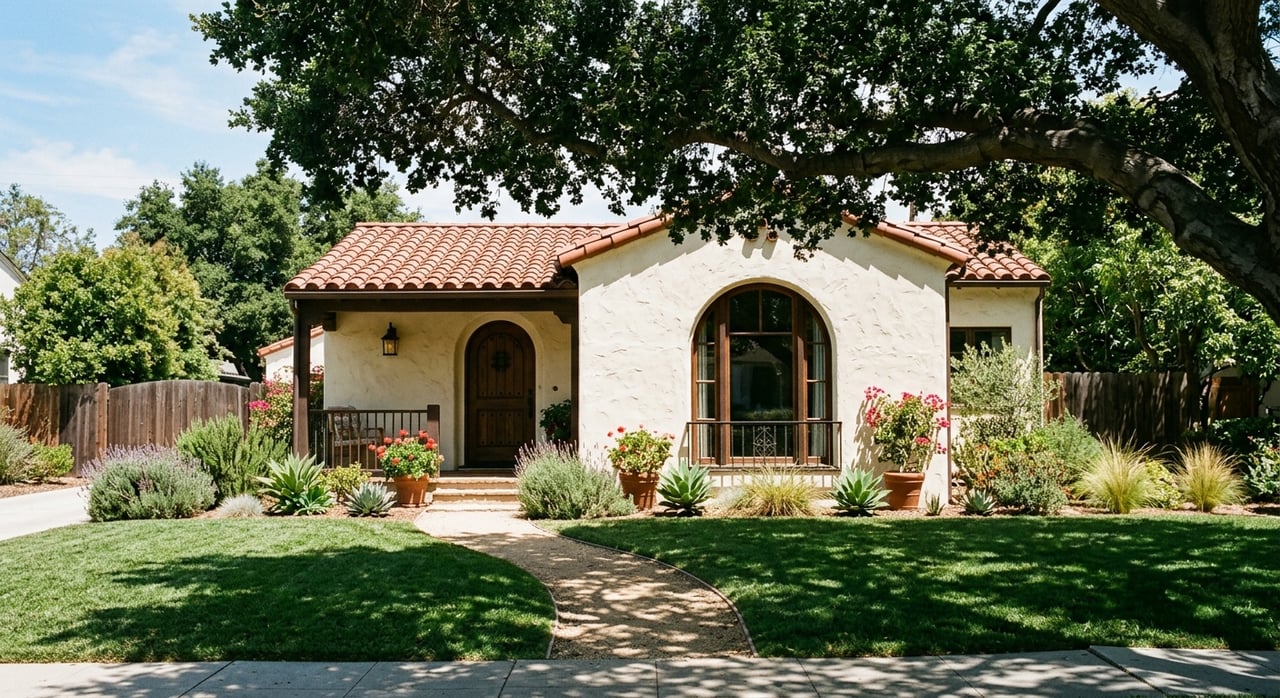
Selling a home from another state can feel like trying to direct a renovation by text message. You know the property, but you are not there to open the door for vendors, review paperwork in person, or handle surprise issues as they come up. The good news is that selling your Pasadena home from out of state is usually very doable when you have the right local plan. In this guide, you will learn what matters most, what documents and city steps can affect timing, and how to keep your sale moving smoothly from listing to closing. Let’s dive in.
Why remote sales need a local plan
A remote home sale is less about distance and more about coordination. Your Pasadena property still has to meet California disclosure rules, Pasadena presale requirements, Los Angeles County recording standards, and closing-related tax steps even if you now live somewhere else.
That is why communication matters as much as pricing. The California Department of Real Estate describes escrow as a neutral third party that helps make sure contract terms are satisfied and the deed is recorded. When you are selling from out of state, keeping documents, signatures, and local access organized can prevent avoidable delays.
Can you sell without returning to Pasadena?
In many cases, yes. California law generally recognizes electronic records and electronic signatures, so a lot of sale documents can be signed remotely.
The main caution is notarization. California does not generally allow remote online notarization for ordinary notarial acts, but acknowledgments may be taken outside California within the United States by a notary public or other authorized officer. In practical terms, that means you may be able to sign from your current state, but deed-related documents still need to be handled correctly.
Documents to prepare early
One of the best ways to reduce stress is to gather seller documents before your home goes live. If paperwork is left until after you accept an offer, you may create extra risk and extra time pressure.
California disclosure forms
For most single-family residential sales, California requires a Transfer Disclosure Statement, often called the TDS. This form is meant to give meaningful information about the property’s condition and known hazards or defects.
Timing matters. If a required disclosure is delivered after an offer is accepted, the buyer may have a limited right to terminate after delivery, including 5 days after electronic delivery if the parties agreed to transact electronically. For an out-of-state seller, that makes early disclosure prep especially important.
Natural hazard disclosures
California also requires natural hazard disclosures when a property is in designated hazard zones. Because these disclosures are location-specific, they should be reviewed early in the listing process rather than near the end of escrow.
For a Pasadena property, this is not something to treat as a last-minute form. It is part of making sure the buyer has the required information on time and that your transaction stays on track.
HOA documents for condos and townhomes
If your Pasadena property is a condo, townhouse, or part of a common interest development, you will likely need an HOA disclosure package. California Civil Code section 4525 requires delivery of governing documents and current association information, including assessment details, before transfer.
This is a common timing bottleneck in remote sales. If you own a condo or townhome, ordering the HOA package early can make a big difference.
Recent work and repair history
If you accepted an offer within 18 months of taking title, California may require additional disclosures about certain contractor-performed additions, structural modifications, alterations, or repairs. This can matter if you bought the home, updated it, and then relocated.
It also helps to gather invoices, contractor names, permits, and repair records early. Even when a document is not hard to find, it can take time when you are doing everything from another state.
Pasadena presale requirements matter
Pasadena has its own presale code-compliance program, and this is one of the most important local steps for absentee sellers. Before close of escrow for the sale of a single-family house, condominium, townhouse, or duplex, the owner must obtain either a Presale Certificate of Completion or a Presale Certificate of Inspection.
If the property has open code-compliance cases or unpermitted work, the City may require an inspection. If deficiencies are found, the owner can correct them or transfer responsibility to the buyer. Pasadena allows online submissions for the presale process, which is a real advantage when you are selling remotely.
Why this should happen before listing
If there are code issues, old permits, or questions about work done over time, you want to know that before a buyer is in escrow. Waiting too long can create renegotiation pressure or closing delays.
For remote owners, this is one of the clearest examples of why local transaction management matters. A presale issue is much easier to address when you have time to plan vendor access, review options, and decide whether to repair or disclose.
Closing costs to expect in Pasadena
Out-of-state sellers often worry about hidden costs showing up right before closing. While every transaction is different, there are a few local items that should be discussed early.
Pasadena transfer tax
Pasadena’s fiscal year 2026 tax schedule lists a real property transfer tax of $0.55 for each $500 of value. Escrow should confirm how transfer-tax charges apply in your transaction before closing so there are no surprises.
Los Angeles County documentary transfer tax and recording
The Los Angeles County Recorder says documentary transfer tax is computed when property value exceeds $100 and is collected at recording. The county also requires properly acknowledged documents, an Assessor’s Parcel Number on deeds and related instruments, and a Preliminary Change of Ownership Report when property changes ownership.
Grant deeds must be completed and signed by the grantor, and the signature must be notarized. If you are out of state, these details are exactly why deed paperwork should be coordinated carefully with escrow.
Property tax proration
Los Angeles County property taxes are usually prorated in escrow. The County Treasurer and Tax Collector also notes that after a change in ownership, the buyer may receive supplemental tax bills, and the annual secured bill may go to either the prior owner or the new owner depending on timing.
For you as a seller, the key point is clarity. A detailed closing statement helps everyone understand what is being prorated and who is paying what.
California withholding
California withholding is a big item for many out-of-state owners. The Franchise Tax Board says withholding is required when California real property is sold unless the seller qualifies for an exemption, and the standard total-sales-price method uses 3.33% of the sale price.
If you are claiming an exemption, Form 593 must be provided before close. This is not optional paperwork to leave until the end, so it should be reviewed early in the sale process.
A smart remote-selling workflow
The smoothest out-of-state sales usually follow a simple, organized sequence. The exact details vary by property, but the process works best when major city, disclosure, and access issues are handled early.
A practical checklist
- Start with a virtual valuation and pricing strategy
- Schedule a photo or video walkthrough of the property
- Gather disclosure documents and repair records
- Begin Pasadena’s presale certificate process
- Order the HOA package early if the property is in an association
- Review any permit, inspection, or code-compliance issues
- Coordinate cleaners, stagers, and vendors through one local point of contact
- Confirm signing and notarization steps with escrow well before closing
This kind of structure helps you make decisions calmly instead of reacting to last-minute requests.
Why one local point of contact helps
When you are not in Pasadena, someone local needs to help keep the moving parts aligned. That can include inspectors, cleaners, handymen, stagers, title, escrow, and buyer access for showings or inspections.
A single point of contact reduces confusion and shortens response time. Instead of juggling multiple vendors from another time zone, you can review updates, approve decisions, and keep the sale moving with far less friction.
Protecting yourself while away
If you no longer live near the property, title monitoring is worth considering. Los Angeles County offers a Homeowner Notification Program that sends copies of recorded documents that change ownership or show loans or default notices.
For absentee owners, that kind of monitoring can add peace of mind while the home is listed and even after closing. It is a simple way to stay aware of recorded activity tied to your property.
Selling remotely with less stress
Selling your Pasadena home from out of state is possible, but it works best when you treat it like a project that needs a clear timeline, early paperwork, and strong local coordination. The biggest trouble spots are usually not dramatic. They are delayed disclosures, HOA documents, presale compliance issues, deed notarization, and closing costs that were not mapped out early enough.
With the right preparation, you can stay remote without losing control of the process. If you want experienced Pasadena guidance, local oversight, and a more hands-on path from prep through closing, reach out to Tony Dowdy for a free home valuation and personalized selling strategy.
FAQs
Can you sell a Pasadena home from another state without flying back?
- Usually yes. Many sale documents can be signed remotely, but deed and other notarized documents still need to be properly executed and acknowledged.
What disclosures do you need when selling a Pasadena house remotely?
- You may need the California Transfer Disclosure Statement, natural hazard disclosures, and other sale-related documents depending on the property and transaction.
What does Pasadena require before closing on a home sale?
- Pasadena requires the owner of a single-family house, condominium, townhouse, or duplex to obtain either a Presale Certificate of Completion or a Presale Certificate of Inspection before close of escrow.
What if your Pasadena condo has an HOA?
- If the property is part of a common interest development, the buyer must receive the HOA disclosure package, including governing documents and current association information, before transfer.
Are there special tax issues when selling California property from out of state?
- There can be. Sellers should review Pasadena transfer tax, Los Angeles County recording-related charges and prorations, and possible California withholding requirements early in the process.